
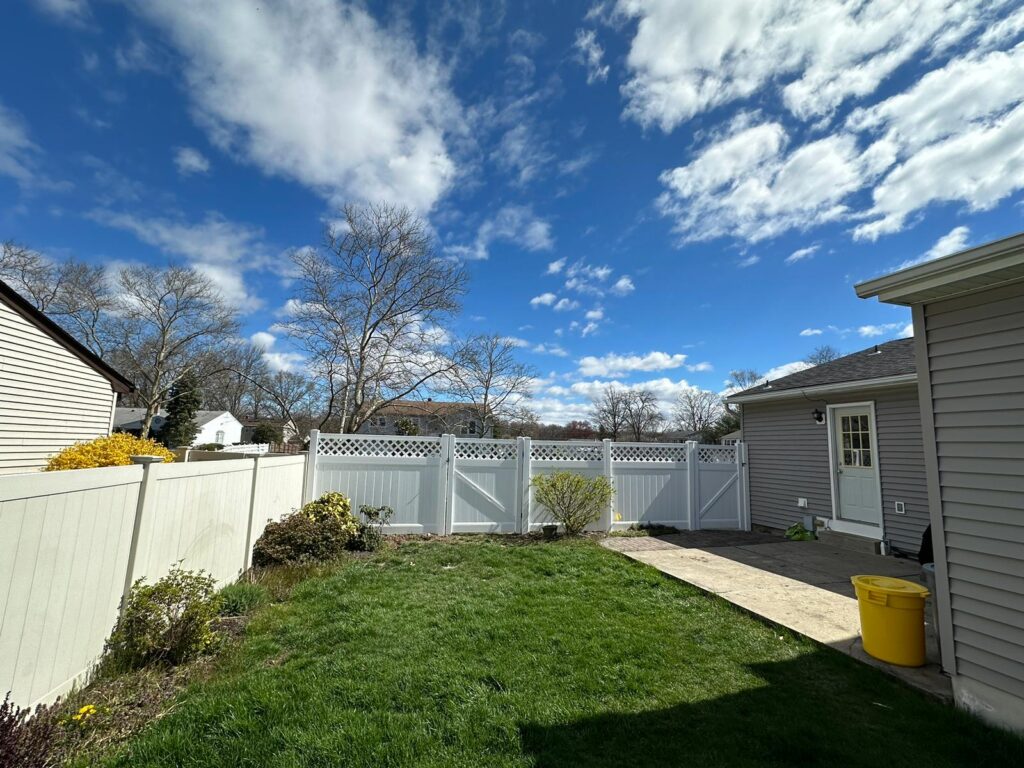
Vinyl and wood are two of the most popular fencing materials for residential properties. Both can provide privacy, define a backyard, complement landscaping, and create a safer outdoor area for children or pets. However, they differ significantly in appearance, maintenance, customization, and long-term care.
Choosing between vinyl and wood fencing does not have to be difficult. Understanding how each material performs can help you select the option that best fits your New Jersey home, budget, and lifestyle.
Why Homeowners Choose Vinyl Fencing
Vinyl fencing is frequently selected by homeowners who want a clean appearance with relatively simple maintenance. It is available in privacy, semi-privacy, picket, and decorative configurations, making it suitable for many types of properties.
Because vinyl does not require staining or painting, homeowners can maintain its appearance without completing the same routine finishing work commonly associated with wood. Periodic cleaning can help remove dirt, pollen, and surface buildup.
Vinyl fencing can work especially well around backyards, patios, pools, and areas where privacy is a priority.
Why Homeowners Choose Wood Fencing
Wood fencing offers a natural appearance that blends easily with gardens, mature landscaping, and traditional home styles. It can be constructed in a variety of heights, configurations, and board patterns.
Homeowners often choose wood because of its warmth and design flexibility. It can be stained or painted to coordinate with exterior colors, decks, sheds, or other property features.
Wood does require more ongoing care than vinyl. Proper maintenance can help protect the surface from moisture, sun exposure, and general weathering.
Comparing Maintenance Requirements
Maintenance is one of the biggest differences between vinyl and wood fencing.
Vinyl generally requires occasional washing to keep the surface looking clean. It does not need to be painted or stained, which appeals to homeowners who prefer a lower-maintenance material.
Wood may need periodic staining, sealing, or painting, depending on the species, finish, and amount of weather exposure. Individual boards may also require attention over time if they split, warp, or deteriorate.
Homeowners who enjoy maintaining natural materials may appreciate wood, while those seeking a simpler routine may prefer vinyl.
Comparing Privacy Options
Both vinyl and wood can provide excellent backyard privacy.
Vinyl privacy panels are commonly designed with closely connected sections that limit visibility through the fence. They provide a uniform appearance and can create a defined boundary around an outdoor living area.
Wood privacy fences can be customized using different board arrangements, heights, and decorative details. Board-on-board, stockade, and shadowbox-style configurations each create a different balance of privacy, airflow, and visual interest.
Imperial Fence can help you review the available styles and determine which configuration works best for your property.
Comparing Appearance and Customization
Wood provides a traditional and organic look. Variations in grain, color, and texture give each installation a distinctive appearance. It can also be shaped, stained, painted, or combined with decorative post caps and gates.
Vinyl provides a more consistent finish. Its smooth surface and uniform panels can complement both traditional and contemporary homes. Depending on the product, homeowners may have several colors, textures, and accent options to consider.
The better choice depends on whether you prefer the character of natural wood or the clean consistency of vinyl.
Considering New Jersey Weather
New Jersey properties experience changing seasonal conditions, including summer humidity, rain, freezing temperatures, snow, and strong winds. Fence performance depends not only on the material but also on correct installation and secure post placement.
Wood must be maintained to help limit the effects of moisture and weather exposure. Vinyl does not rot, but the system must still be properly installed and supported.
Professional installation is essential for either material. A fence should be planned around the property layout, soil conditions, grade changes, gates, and intended use.
Which Fence Is Better for Pet Owners?
Both materials can create a secure area for dogs when the fence is built at an appropriate height and installed without unsafe gaps.
Vinyl privacy fencing can reduce visual distractions by limiting a dog’s view of neighboring properties or passing activity. Wood can also provide a solid visual barrier and may offer additional customization for unusual property layouts.
The correct fence height and spacing will depend on the size, temperament, and behavior of the pet. Imperial Fence can help homeowners explore practical dog-fence options without overlooking the appearance of the property.
Which Option Is Right for Your Home?
Choose vinyl fencing when you want a clean, consistent appearance and a lower-maintenance surface. Choose wood fencing when you prefer a natural look, greater finishing flexibility, and traditional backyard character.
There is no single material that is right for every property. Your decision should account for privacy goals, preferred appearance, maintenance expectations, property conditions, and budget.
Explore Vinyl and Wood Fencing from Imperial Fence
Imperial Fence installs custom vinyl and wood fencing for homeowners throughout Somerset, Middlesex, Mercer, Monmouth, Burlington, and Ocean counties. The team can evaluate your property, explain suitable options, and help you choose a fence that supports your practical and design goals.
Contact Imperial Fence today to schedule a consultation and request a free fencing estimate.
